Finding dark spots on your drywall or smelling a persistent musty odor in your home is frustrating. In the Mat-Su Valley, high indoor humidity mixed with tightly sealed, insulated homes creates ideal conditions for spores to thrive. Scrubbing a patch of growth with household cleaners rarely solves the underlying issue.
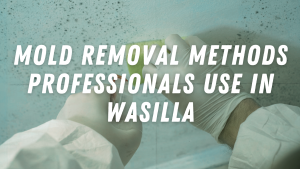
Understanding the mold removal methods professionals use in Wasilla helps you recognize why expert remediation is essential to keep your air clean and your home structurally sound.
Advanced Inspection and Thermal Moisture Mapping
Professional remediation starts well before anyone pulls out a scrub brush or a vacuum. Technicians use infrared thermal imaging cameras and pinless moisture meters to map out where water is hiding behind your walls or under your subflooring.
According to public health data from the Environmental Protection Agency (EPA), mold spores can begin compromising damp building materials in as little as 24 to 48 hours. Identifying the exact moisture source ensures that the cleanup targets the root cause, stopping spores from returning after treatment.
Setting Up Containment and Negative Air Pressure
Before disturbing any affected drywall or insulation, professionals establish strict containment zones. They seal off doorways, vents, and passages using heavy-duty plastic sheeting and painter’s tape. Crews then install negative air pressure machines fitted with High-Efficiency Particulate Air (HEPA) filtration. This step prevents loose spores from escaping into your living room or heating ducts while work is underway. Keeping the affected area isolated protects your home’s air quality throughout the cleanup process.
HEPA Air Scrubbing and Physical Extraction
Once the area is isolated, technicians use industrial HEPA air scrubbers to pull airborne spores directly from the environment. For porous materials like ruined insulation or crumbling drywall, physical removal is often necessary. Technicians bag unsalvageable items tightly and remove them safely from the property. For semi-porous surfaces like solid wood studs, crews use targeted media blasting or hand-sanding paired with HEPA vacuuming to extract deeply embedded roots without weakening the underlying frame.
Applying Antimicrobial Treatments and Sealants
Once crews remove visible growth and fix the moisture source, they clean and dry the affected surfaces. Where additional protection is needed, technicians apply EPA-registered antimicrobials labeled for mold on that surface type. These treatments supplement physical cleaning—they never replace removing ruined drywall or fixing leaks. In some cases, technicians apply a protective coating or encapsulant to clean, dry framing to help limit future growth. However, no coating can guarantee mold prevention if trapped moisture or cold-weather condensation returns.
Restoring Your Home Safely
Knowing the mold removal methods professionals use in Wasilla gives you a clear picture of what proper remediation looks like. Spraying bleach on a surface might change its color, but it won’t resolve deep moisture pockets or clear airborne spores from your living area. Investing in professional containment, extraction, and antimicrobial treatment preserves your property value and protects your family’s health over the long haul.
If you suspect hidden growth or notice a persistent musty smell in your home, don’t wait for it to spread. Our certified team at Resto Clean uses industry-grade equipment to eliminate spores and restore safe indoor air quality. Visit our website to schedule an inspection today.